

What Does Sciatica Actually Feel Like?
If you've got a burning, shooting, or numb feeling running from your lower back down one leg, you might be dealing with sciatica. It's one of the most misunderstood conditions we see at the clinic, and once you know what to look for, it's much easier to know when to act rather than just hope it settles on its own.
What Sciatica Symptoms Actually Feel Like
Sciatica isn't a single sensation, it's a pattern. People describe it in different ways depending on what's irritating the sciatic nerve:
A sharp, electric-shock feeling down the back or side of one leg
A constant dull ache in the buttock that won't shift
Numbness or pins and needles in the calf or foot
Weakness when trying to stand on tiptoes or lift the front of the foot
Pain that gets worse sitting, coughing, or bending forward
Often it starts in the lower back or buttock and travels downward, which is what separates it from general back pain.

What Causes Sciatica
Sciatica happens when something presses on or irritates the sciatic nerve as it leaves the spine. Common causes we see in Lichfield and the surrounding areas include:
A bulging or slipped disc pressing on a nerve root
Tight or overactive piriformis muscle in the buttock
Degenerative changes in the lower spine
Prolonged sitting or poor lifting habits over time
The cause matters, because the right treatment depends on exactly what's driving the irritation.
When It Needs Proper Attention
Mild tingling that comes and goes isn't usually an emergency. But you shouldn't ignore pain that's getting worse, numbness that's spreading, or any weakness in your leg or foot. If sciatica has lasted more than a couple of weeks, or it's stopping you sleeping or working, it's worth getting it properly assessed rather than guessing what's causing it.
Things You Can Try Now
A few adjustments can take some pressure off the nerve while you figure out what's really going on:
Avoid sitting for long periods without moving
Gentle walking little and often, rather than complete rest
Change sleeping position to take pressure off the lower back
Avoid heavy lifting or twisting movements until it's assessed
These can ease symptoms short-term, but they won't fix what's actually pinching the nerve, especially if it's disc-related or postural. If this sounds familiar, it's worth getting it properly assessed rather than living with it.
How We Treat Sciatica at Cooper's Injury Clinic
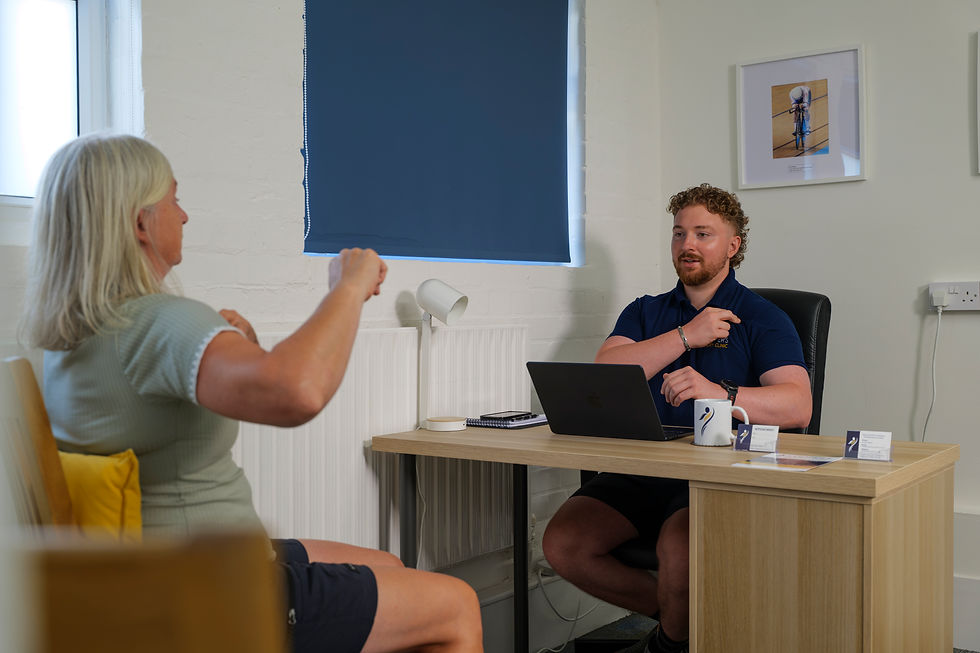
Dan personally assesses every new patient to pinpoint exactly where the irritation is coming from, whether that's the disc, the piriformis, or posture and movement patterns built up over years at a desk. From there, treatment usually combines hands-on work with a tailored exercise prescription plan to take pressure off the nerve and stop it recurring. We see sciatica patients from across Lichfield, Burntwood, and Sutton Coldfield, many of whom have been putting up with symptoms for months. Read more about Dan and the clinic.
Myth vs Fact
Myth: Sciatica always means you need surgery.
Fact: The vast majority of sciatica cases settle with the right hands-on treatment and exercise plan, without ever needing surgical intervention.
Don't Just Wait It Out
Sciatica can be genuinely miserable to live with, but it usually responds well once the actual cause is identified and treated properly. Book your assessment today at coopersinjuryclinic.co.uk/booknow and let's get to the bottom of it.

Comments