

How to Lift Safely and Avoid Back Pain
Whether it's a shopping bag, a suitcase, or moving furniture at home, lifting is one of the most common ways people in Lichfield end up with back pain. The good news? Most lifting injuries are avoidable once you understand what's going wrong - and what to do instead.
Why Lifting Injuries Are So Common
Back injuries from lifting rarely come from one dramatic moment. More often, it's a build-up of poor habits catching up with you:
Bending from the waist instead of the hips and knees
Twisting while holding a load
Lifting something heavier than your body is used to
Rushing, especially when tired or distracted
As we get older, our discs and muscles are less forgiving of these habits, which is why we see so many lifting-related back pain cases in adults over 40 here in Lichfield, Burntwood, and Sutton Coldfield.
Signs You've Lifted Something the Wrong Way
Not every twinge means serious damage, but pay attention if you notice:
A sharp pain at the moment of lifting
Stiffness that sets in a few hours later or the next morning
Pain that spreads into your buttock or leg
Difficulty standing up straight
Simple Rules for Safer Lifting
A few habits go a long way toward protecting your back:
Keep the load close to your body
Bend your knees and hips, not your spine
Brace your core before you lift
Avoid twisting - turn with your feet instead
Test the weight before committing to a full lift
These habits reduce risk, but they won't undo an already-irritated back or fix an underlying weakness. If this sounds familiar, it's worth getting it properly assessed rather than guessing - book an assessment and we'll find out exactly what's going on.

When Back Pain From Lifting Needs Attention
Most minor strains settle within a few days. But get it checked if you notice:
Pain lasting more than a week
Pain radiating down one leg
Numbness, tingling, or weakness
Pain that's getting worse, not better
Left unaddressed, these patterns can turn into recurring back pain that flares up every time you lift something.
How We Treat Lifting-Related Back Pain
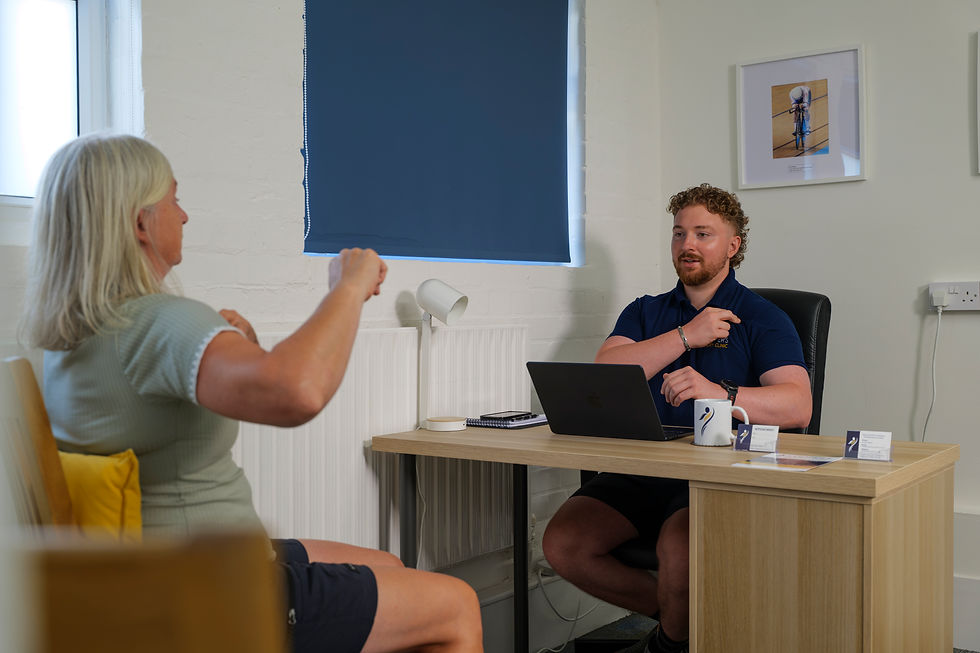
At Cooper's Injury Clinic, Dan personally assesses every new patient - no handing you off to whoever's free. That means your first visit involves a proper look at what's actually causing your pain, not just where it hurts. From there, treatment usually combines hands-on therapy with a tailored injury assessment and an exercise plan to rebuild the strength and movement patterns that prevent it happening again.
Myth vs Fact
Myth: "If it hurt when I lifted something, I must have slipped a disc."
Fact: Most lifting-related back pain is a muscle or joint strain, not a disc injury. Only a proper assessment can tell you which one you're dealing with - so it's not worth guessing or panicking.
Ready to Stop Guessing?
If lifting keeps causing you problems, or you're still nursing a strain from weeks ago, don't just wait for it to sort itself out. Book your assessment today at coopersinjuryclinic.co.uk/booknow and let's get to the root of it — with Dan assessing you personally from the very first visit.
Learn more about the clinic.

Comments