

Plantar Fasciitis: Why Your Heel Hurts First Thing in the Morning
If your first few steps out of bed feel like walking on a bruise, you're not imagining it. Plantar fasciitis is one of the most common causes of heel pain we see at the clinic, and it tends to catch people out just as they're becoming more active over summer. The good news is it responds well to the right treatment - you don't have to just hobble through it.
What Is Plantar Fasciitis?
The plantar fascia is a thick band of tissue running along the bottom of your foot, connecting your heel to your toes. When it becomes overloaded or irritated, small tears and inflammation develop, causing that sharp, stabbing heel pain so many people describe. It's less about a single injury and more about cumulative strain building up over weeks or months.
Common Symptoms
Sharp or stabbing pain in the heel, worst with your first steps in the morning
Pain that eases slightly once you're moving, then returns after long periods on your feet
Tenderness when pressing the underside of the heel
Discomfort that flares after exercise rather than during it
What Causes It?
A sudden increase in walking, running, or standing time
Tight calf muscles limiting ankle movement
Unsupportive footwear, especially flat shoes or worn-out trainers
Extra load through the feet from being on your feet all day for work
More common in adults over 40, and often worsened by summer activities like longer walks, gardening, or getting back into running
Many people across Lichfield, Burntwood and Tamworth notice it flares up just as they ramp up their step count for summer - more time on hard pavements and less supportive footwear than usual.
Myth vs Fact
Myth: Plantar fasciitis is caused by a heel spur and won't improve until it's removed. Fact: Heel spurs are often unrelated to the pain. Most plantar fasciitis settles well with the right combination of load management, stretching and hands-on treatment - surgery is rarely needed.
When to Get It Checked
If heel pain has lasted more than two to three weeks, or it's limiting how much you can walk or stand, it's worth getting it properly assessed rather than guessing at stretches and hoping it settles. Left untreated, plantar fasciitis can drag on for months and change the way you walk, which often creates knee or hip issues further up the chain.

What You Can Try in the Meantime
Rolling the sole of your foot over a cold bottle or ball
Calf and foot stretches before getting out of bed
Supportive, cushioned footwear rather than flat or worn shoes
Easing back activity levels rather than pushing through sharp pain
These can take the edge off, but they rarely resolve plantar fasciitis on their own - most people need a proper plan to fully recover.
How We Treat Plantar Fasciitis at Cooper's in Lichfield
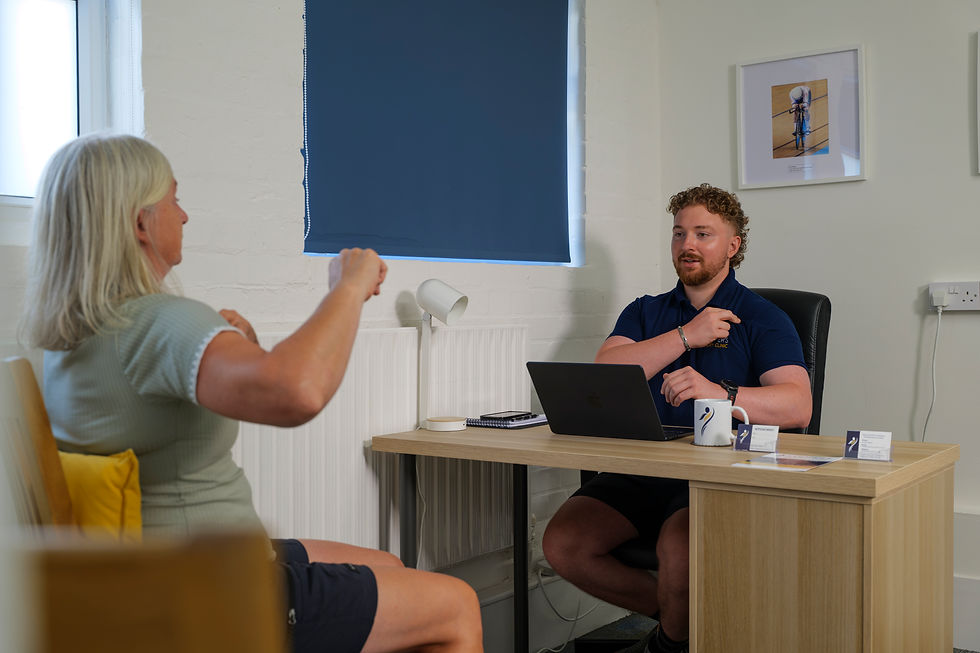
Dan personally assesses every new patient at Cooper's Injury Clinic, checking your foot mechanics, footwear and activity levels to work out exactly what's driving your pain. Treatment usually combines hands-on treatment with a targeted exercise programme to build resilience in the fascia and calf - read more about how we approach foot and ankle pain generally.
If mornings are starting with heel pain and it's not easing on its own, don't just wait for it to pass. Book your assessment today and get a clear plan to sort it -
Dan assesses every new patient personally, so you're not just handed generic advice. Find out more about his approach on our About page.


Comments