

Sciatica or Back Pain? How to Tell the Difference
"Is this just back pain, or is it sciatica?" It's one of the questions we hear most often in clinic. The two can feel similar at first, but they're not the same problem - and knowing the difference matters for how it's treated.
What Ordinary Back Pain Feels Like
Regular back pain tends to stay put. It's usually described as:
An ache, stiffness, or tightness across the lower back
Pain that worsens with certain movements, like bending or twisting
Discomfort that stays localised, without travelling down the leg
Worse after long periods of sitting or standing
Most people in Lichfield and Burntwood will experience this kind of back pain at some point - it's common and often settles with the right approach.
What Sciatica Feels Like
Sciatica is different because it involves a nerve, not just muscles and joints. Signs include:
Pain that travels from your lower back or buttock down one leg
A sharp, burning, or electric-shock sensation, rather than a dull ache
Numbness, tingling, or pins and needles in the leg or foot
Pain that can be worse sitting than standing
If your pain crosses your knee and runs into your calf or foot, that's a strong sign it's sciatica rather than straightforward back pain.

Why the Distinction Matters
Ordinary back pain and sciatica often respond to different treatment approaches. Treating sciatica like a simple muscle strain - or vice versa - can mean weeks of the wrong exercises and no real progress. Getting an accurate diagnosis early is the fastest route to actually feeling better, rather than managing symptoms indefinitely.
Self-Care Tips While You Wait to Be Seen
A few things can help take the edge off in the short term:
Stay gently active - total rest tends to slow recovery
Avoid prolonged sitting; take regular short walks
Alternate between sitting, standing, and lying with knees supported
Avoid heavy lifting or twisting movements
These can ease symptoms, but they won't tell you what's actually causing the pain or fix it long-term. If your pain is spreading down your leg or not settling, it's worth getting it properly assessed rather than guessing - book an assessment and we'll pinpoint exactly what's going on.
When to Seek Help Sooner Rather Than Later
Most sciatica and back pain settle with the right treatment, but get checked promptly if you notice:
Numbness in the groin or inner thigh
Loss of bladder or bowel control
Progressive weakness in your leg or foot
Pain that's severe or worsening despite rest
These are less common but need urgent medical attention.
Myth vs Fact
Myth: "Sciatica always means I need surgery."
Fact: The vast majority of sciatica cases improve with conservative treatment - hands-on therapy and targeted exercise - without ever needing surgery.
How We Help at Cooper's Injury Clinic
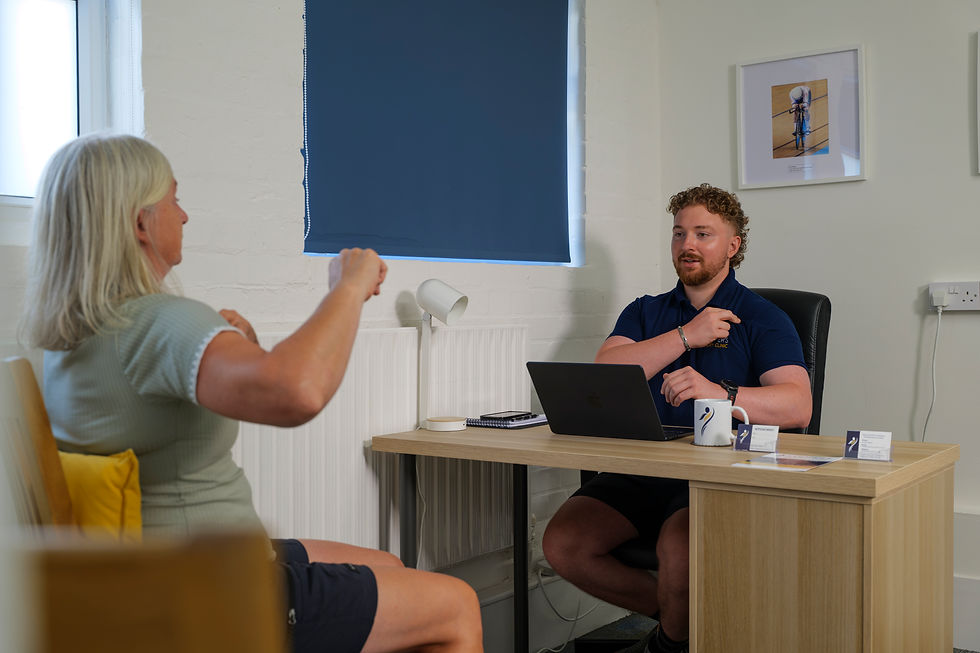
Dan personally assesses every new patient, so from your very first visit you get a clear answer on whether you're dealing with sciatica or ordinary back pain - not a guess. Treatment is built around a proper injury assessment, hands-on treatment, and a tailored exercise plan, and we see patients travelling in from Tamworth and Sutton Coldfield as well as Lichfield itself.
Ready to Get a Clear Answer?
Stop guessing whether it's sciatica or back pain - get it properly assessed and start treating the right problem. Book your assessment today at coopersinjuryclinic.co.uk/booknow, with Dan assessing you personally from day one. Learn more about the clinic.

Comments