

Why "Just Resting" Isn't Always the Answer: A Specialists View from Lichfield
It's the advice almost everyone gives themselves first: rest it, and it'll settle. Sometimes that's exactly right. But for a lot of the aches, strains and nagging pains we see at our Injury clinic in Lichfield, weeks of rest alone actually make things harder to fix, not easier. Here's why - and how to tell the difference.
When Rest Genuinely Helps
Rest has its place, especially in the first day or two after a sharp injury like a sprain or strain. Short-term rest can calm inflammation and stop you aggravating a fresh injury further. The key word is short-term - a few days, not a few weeks.
Why Prolonged Rest Can Backfire
Muscles, tendons and joints lose strength and flexibility surprisingly fast when they're not used.
Weakness and stiffness from inactivity can create new problems on top of the original injury.
Pain that "should have settled by now" often means the underlying cause was never addressed, just avoided.
Long periods of resting one area often shift load elsewhere, causing compensation issues in the back, hip or opposite side.
We see this pattern often in Lichfield, Burntwood and Sutton Coldfield - someone rests a knee or shoulder for a month, the sharp pain fades, but stiffness and weakness linger, and everyday movement still doesn't feel right.
Signs Rest Alone Isn't Working
Pain has lasted more than two to three weeks with little change
The area feels stiff, weak or "different" even when it doesn't hurt
You've started avoiding certain movements altogether
Pain flares up again as soon as you try to return to normal activity
If any of that sounds familiar, it's worth getting it properly assessed rather than continuing to wait it out.
Myth vs Fact
Myth: If it still hurts, you should keep resting until it doesn't.
Fact: For most soft tissue and joint problems, some form of movement - the right movement, at the right amount - actually speeds up recovery more than complete rest does.
What a Proper Assessment Actually Changes
Rather than guessing whether to push through or hold back, an assessment identifies exactly what's driving your pain and how much load your body can safely handle right now. That turns "just rest it and see" into a clear, staged plan - which is usually the difference between a few weeks of recovery and a few months of it dragging on.
How We Approach This at Cooper's in Lichfield
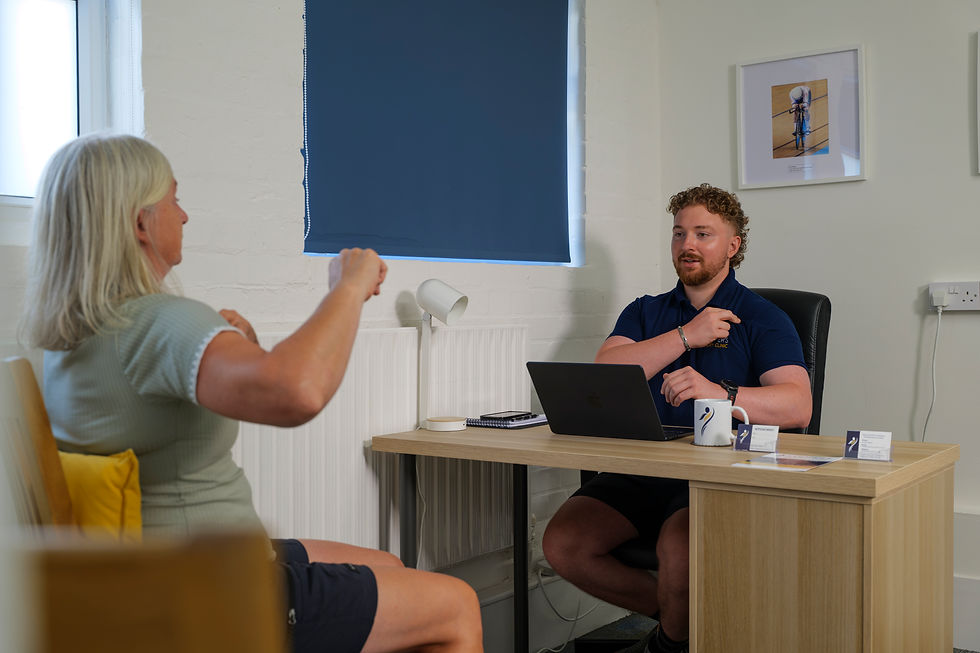
Dan personally assesses every new patient at Cooper's Injury Clinic, working out whether rest, movement, or a combination of both is right for your specific injury. From there, treatment typically blends hands-on treatment with a graded exercise and rehab plan so you're not stuck choosing between doing nothing and doing too much. You can read more about Dan's approach on our About page.
If you've been resting something for weeks with no real improvement, that's usually a sign it needs more than time alone. Book your assessment today and get a clear plan instead of more guesswork.


Comments