

Understanding Injury - Signs and Risks
Updated: Nov 14, 2025
When you start feeling pain or stiffness in your muscles, joints, or bones, it can be worrying. You might wonder if it’s just a minor ache or something more serious. Understanding musculoskeletal injury signs is the first step to taking control of your health and preventing further damage. I want to walk you through the common signs, risks, and what you can do to protect yourself. Let’s make this simple and clear, so you feel confident about your next steps.
What Are Musculoskeletal Injury Signs?
Musculoskeletal injuries affect your muscles, bones, joints, tendons, and ligaments. These injuries can happen suddenly or develop over time. Recognising the signs early can help you get the right treatment and avoid long-term problems.
Here are some common signs to watch out for:
Pain: This is the most obvious sign. It might be sharp, dull, constant, or come and go.
Swelling: Inflamed areas often swell up, making movement uncomfortable.
Stiffness: You might find it hard to move a joint or muscle like you used to.
Weakness: Feeling like your muscles can’t support you properly is a red flag.
Bruising: Discolouration around an injury site can indicate tissue damage.
Reduced range of motion: If you can’t move as freely as before, it’s a sign something’s wrong.
For example, if you twist your ankle and notice swelling and pain when you try to walk, these are clear musculoskeletal injury signs. Or if you wake up with a stiff neck that doesn’t improve after a day, it’s worth paying attention.

Common Risks That Lead to Musculoskeletal Injuries
Understanding what puts you at risk can help you avoid injuries. Some risks are obvious, while others might surprise you.
Poor posture: Sitting or standing incorrectly for long periods strains muscles and joints.
Repetitive movements: Doing the same motion repeatedly, like typing or lifting, can cause overuse injuries.
Lack of exercise: Weak muscles and poor flexibility increase injury risk.
Sudden trauma: Falls, accidents, or sports injuries can cause immediate damage.
Age: As we get older, our bones and muscles naturally weaken.
Improper lifting techniques: Improper form whilst lifting objects repeatedly can lead to the overloading of areas causing strain.
For instance, if you work at a desk all day without taking breaks to move or stretch, you might develop neck or back pain. Or if you suddenly start a new sport without warming up, you could strain a muscle.
How to Recognise When to Seek Help
Sometimes, pain and discomfort go away with rest and simple care. But other times, you need professional help. Here’s how to know when it’s time to see a specialist:
Pain lasts more than a few days or gets worse.
You experience numbness or tingling.
You can’t move a joint or limb properly.
Swelling or bruising increases.
You hear a popping or snapping sound at the time of injury.
You have a fever along with pain (could indicate infection).
If you notice any of these, don’t wait. Early treatment can prevent complications and speed up recovery. At Cooper’s Injury Clinic, we focus on personalised care to help you move better and stay active for life.
Practical Tips to Prevent Musculoskeletal Injuries
Prevention is always better than cure. Here are some simple, everyday tips to protect your muscles and joints:
Stay active: Regular exercise strengthens muscles and improves flexibility.
Warm up and cool down: Before and after physical activity, stretch gently.
Take breaks: If your job involves repetitive tasks, pause often to move about.
Wear supportive footwear: Good shoes reduce strain on your feet and legs.
Good sleep routine: Sleep is where we get our best rest and recovery.
Listen to your body: Don’t push through pain; rest when needed.
For example, if you spend a lot of time gardening or DIY, take regular breaks and use tools that reduce strain. If you’re starting a new exercise routine, build up gradually to avoid overuse injuries.
What to Expect from Professional Care
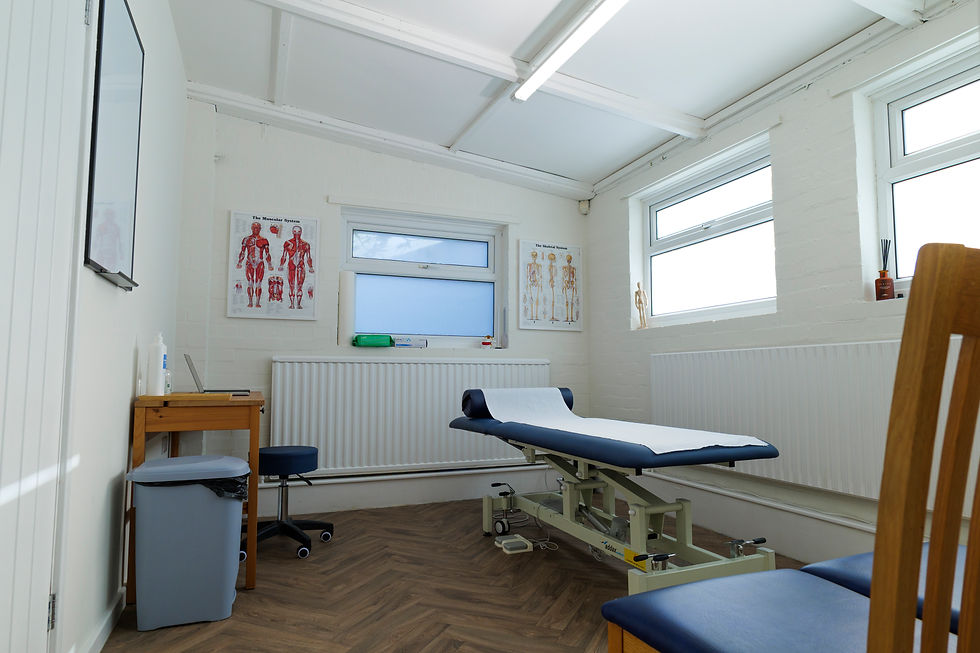
If you do experience a musculoskeletal injury, professional care can make a big difference. At Cooper’s Injury Clinic, the approach is personalised and focused on your goals.
Here’s what you can expect:
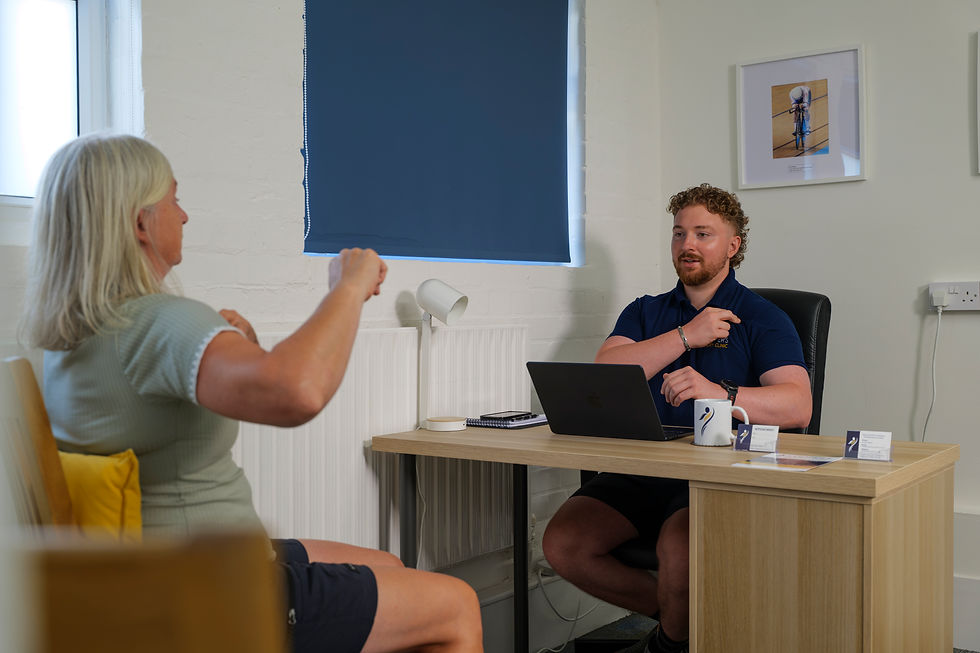
Assessment: A thorough evaluation to understand your injury and its impact.
Diagnosis: Identifying the exact problem using clinical tests where needed.
Treatment plan: Tailored exercises, Hands-on treatment, or other interventions.
Education: Learning how to manage your condition and prevent future injuries.
Ongoing support: Optional check-ins to track progress and adjust care.
Remember, seeking help early can reduce pain and speed up your return to normal activities. If you want to learn more about how we handle MSK injury cases, feel free to reach out.
Taking the First Step Towards Better Movement
Living with pain or limited movement can be frustrating. But you don’t have to accept it as your new normal. By recognising musculoskeletal injury signs early and understanding the risks, you’re already on the right path.
Take small steps every day to protect your body. Stay active, be mindful of your posture, and don’t hesitate to get professional advice when needed. Your body will thank you, and you’ll enjoy doing the things you love for years to come.
If you’re in Lichfield and struggling with pain or injury, Cooper’s Injury Clinic is here to help. Together, we can work towards a healthier, more active you.


Comments