

Effective Strategies for Pain Relief
Updated: Nov 14, 2025
Living with pain can be tough. Whether it’s a nagging ache or a sharp, sudden discomfort, pain can stop you from doing the things you love. I’ve been there, and I know how frustrating it feels. The good news is, there are effective pain relief methods that can help you manage and reduce your pain. In this post, I’ll share practical strategies that you can start using today to feel better and move more freely.
Understanding Effective Pain Relief Methods
When it comes to pain relief, it’s important to know that not all methods work the same for everyone. What helps one person might not work for another. That’s why it’s good to have a variety of options to try. Here are some effective pain relief methods that many people find helpful:
Physical therapy and exercise: Gentle movement can improve blood flow and reduce stiffness.
Heat and cold therapy: Applying heat or cold packs can soothe sore muscles and reduce inflammation.
Mindfulness and relaxation techniques: Stress can make pain worse, so calming your mind helps.
Massage and manual therapy: These can relieve muscle tension and improve mobility.
Each of these methods targets pain in a different way. For example, heat therapy relaxes muscles, while cold therapy numbs the area and reduces swelling. Combining these approaches often gives the best results.

Simple Lifestyle Changes That Help Manage Pain
Pain relief isn’t just about quick fixes. Making small changes in your daily routine can have a big impact on how you feel. Here are some lifestyle tips that I’ve found really helpful:
Stay active: Even gentle walking or stretching can keep your joints flexible and muscles strong.
Eat a balanced diet: Foods rich in antioxidants and omega-3 fatty acids can reduce inflammation.
Get enough sleep: Poor sleep makes pain worse, so aim for 7-8 hours of quality rest.
Manage stress: Stress can amplify pain signals, so find ways to relax, like yoga, breathing techniques or listening to music.
These changes don’t require drastic effort but can improve your overall well-being and reduce pain over time.
When to Seek Professional Help for Pain Relief
Sometimes, pain won’t go away with home remedies or lifestyle changes. That’s when it’s time to get expert help. Professionals can offer personalised care tailored to your specific needs. They might suggest:
Targeted exercises to strengthen weak muscles
Manual therapy to improve joint movement
Advice on how to address root causes to the pains.
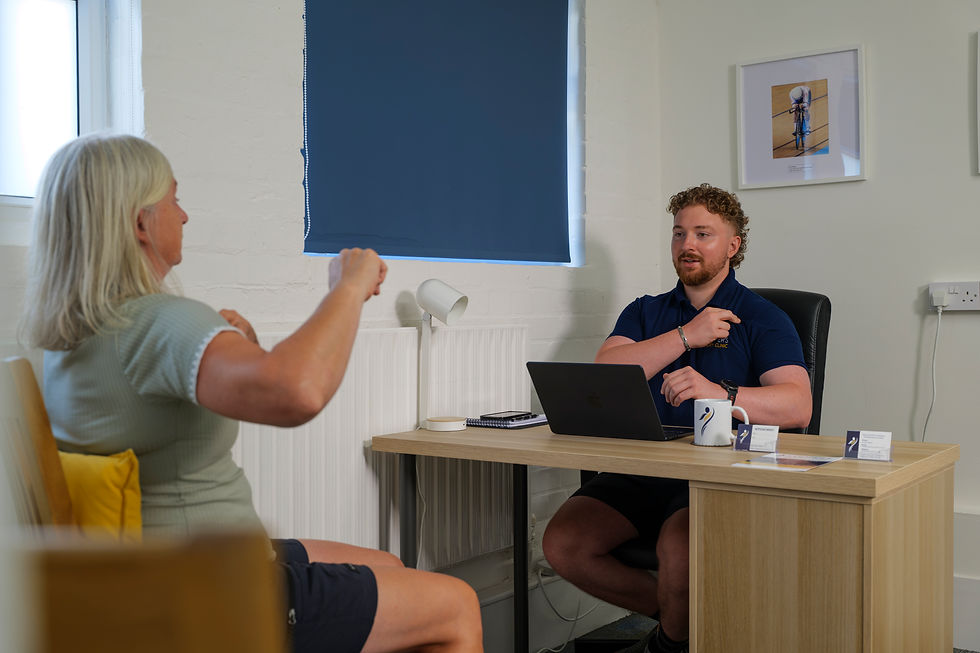
If you’re in Lichfield and looking for expert support, pain treatment at Cooper’s Injury Clinic is a great option. They focus on helping people move better and stay active for life. Getting the right care early can prevent pain from becoming a long-term problem.
Practical Tips for Managing Pain Daily
Managing pain day-to-day can feel overwhelming, but small habits can make a big difference.
Set a pain relief routine: Use heat or cold packs at regular times.
Break up long periods of sitting: Stand or walk every 30 minutes to avoid stiffness.
Use supportive cushions: These can help reduce strain on painful areas.
Keep a pain diary: Track what makes your pain better or worse to find patterns.
Stay positive and patient: Pain relief takes time, so celebrate small improvements.
Remember, you’re not alone in this. With the right strategies and support, you can take control of your pain and enjoy life more fully.
I hope these effective pain relief methods give you some ideas to try. If you ever feel stuck or unsure, don’t hesitate to reach out to us at Cooper's Injury Clinic who can guide you. Your body deserves care and attention, and with the right approach, you can find relief and get back to doing what you love.
To find out more - Call us on 07955 769293, or Email info@coopersinjuryclinic.co.uk


Comments